
Perfume For The Scent-Sensitive
Welcome To My Non-Cloying Valentine's Day Gift Guide

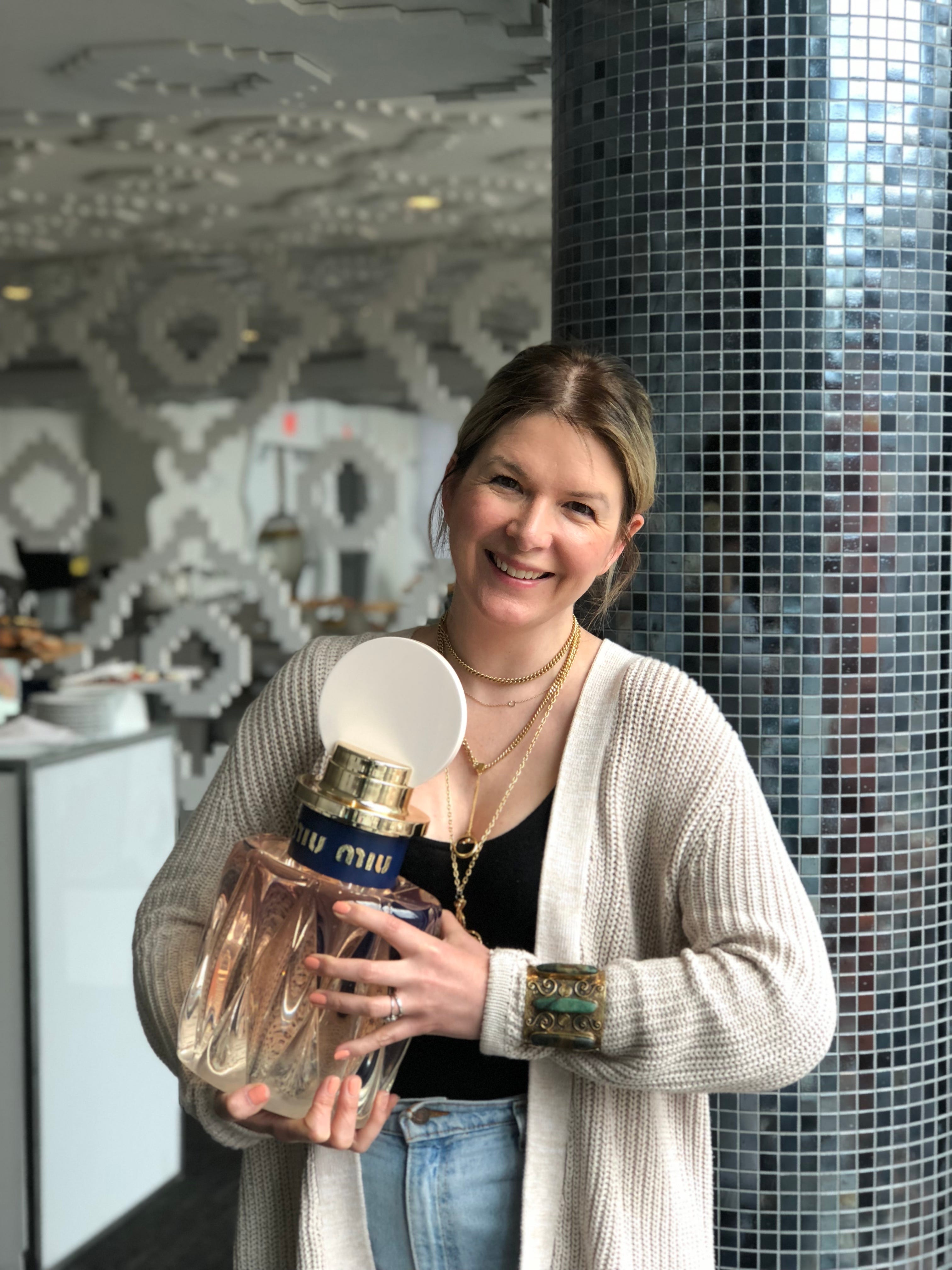
As a long-time beauty editor, I’m besotted with the world of perfume. I once traversed the inner annals of the Palais Garnier in Paris, tracing the inspiration for Thierry Mugler’s Angel. The patchouli-laced ballerina scarves of yore, the feathered white costumes, and that hidden well, deep beneath the stage, said to have sparked the Phantom of the Opera’s dark waters –such is the mystique behind REAL perfume.
I love the fantasy, the lore, except that my head won’t let me have it.
As a teen, I suffered from nauseating, locked-in-a-dark-room migraines. Even now, my sinuses are still touchy—sensitive to alcohol, oil-based paint, and, unfortunately, many perfumes. But not all fragrances inflict that kind of pain — the one that starts in a single nostril, climbs up behind one eye, and burrows into my brain.
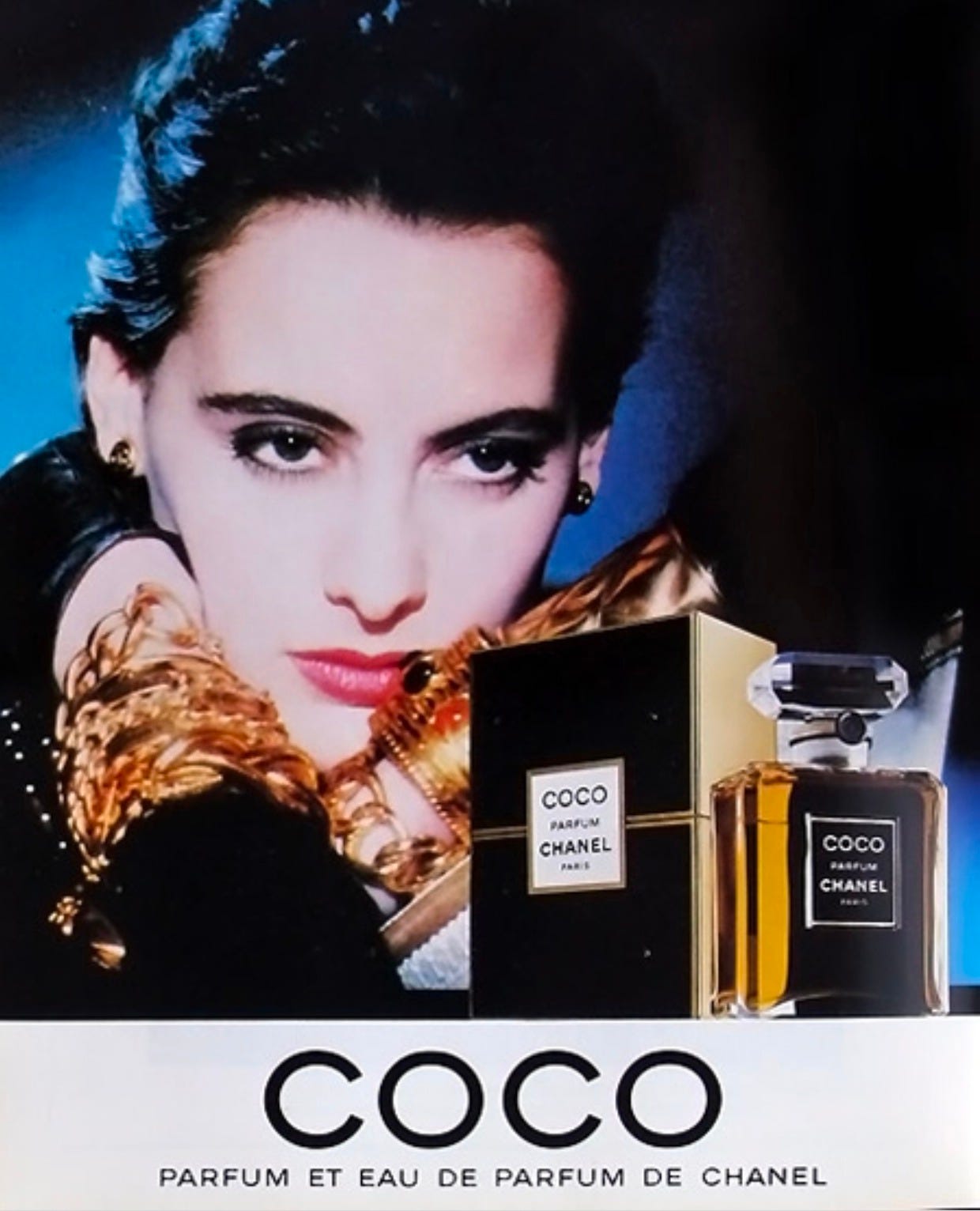
Lately I’ve been wondering why.
While I’m certainly no chemist, the prevailing theory seems to have everything to do with the demand for "high projection” scents. It’s the woman who complains that her perfume wears off by lunchtime. If you have sinuses of steel, I don’t blame you. Perfume is expensive, you want it to last.
So, how do commercial fragrances go about formulating longwear perfume? Traditionally, commercial, synthetic scents use volatile organic compounds (VOCs) like phthalates and other fixatives to keep perfume on full blast for hours.
These VOCs have been accused of irritating the olfactory system and stimulating our trigeminal nerve. For the 70% of migraine sufferers who report odours as a trigger, this nerve stimulation is the primary reason for our unfair and unfortunate headaches.
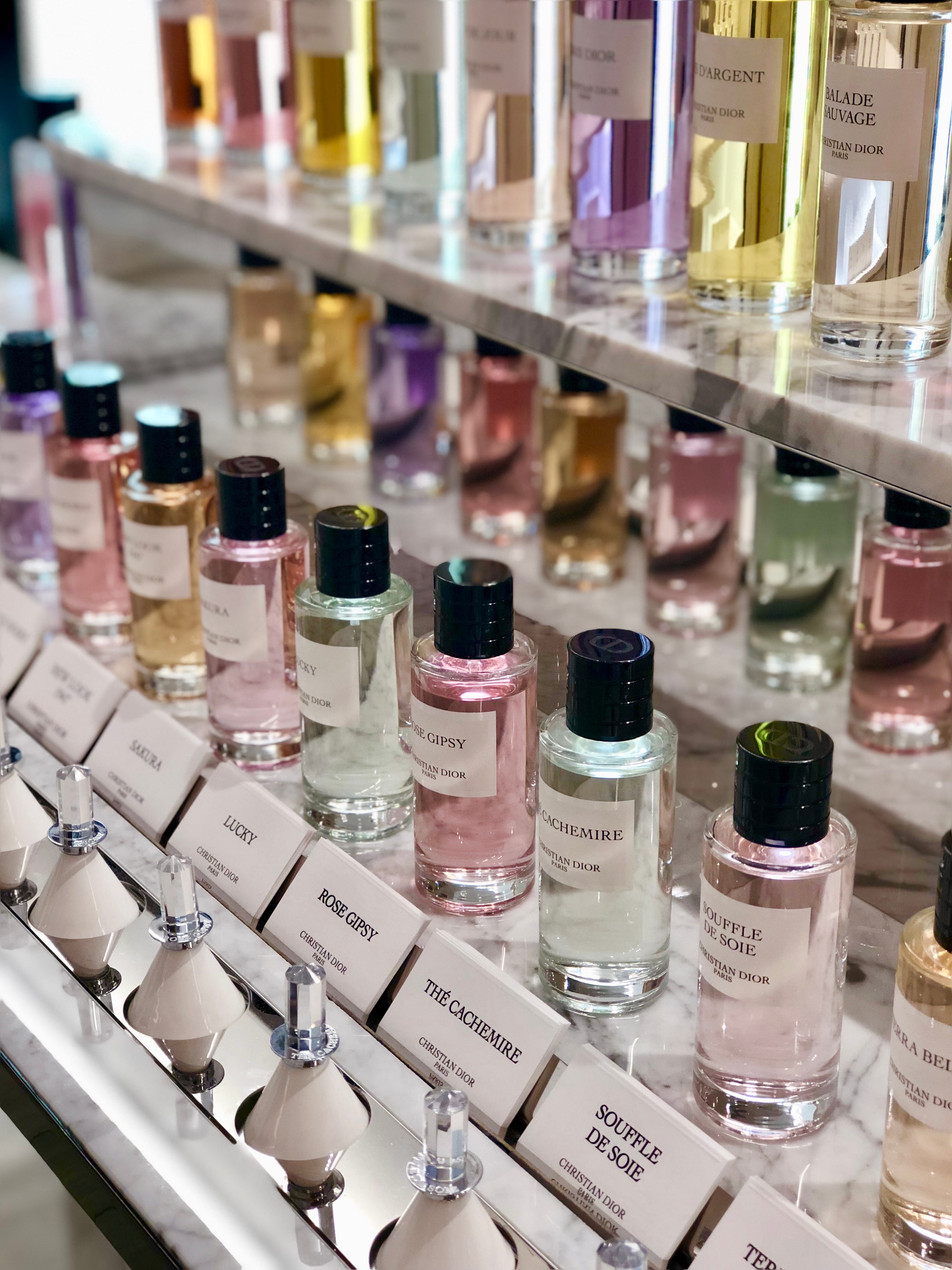
But that’s not all. High concentrations of denatured alcohol, used to stabilize and contribute to a scent’s “sillage” (that trail you leave in an elevator), can also cause what’s called “vasodilation,” (aka the enlargement of blood vessels,) another classic headache trigger. Or so I’ve learned.
Finally, there are the notes themselves. According to Google (this is Substack, what do you want?!) certain notes are statistically more likely to cause pain in the brain. Synthetic musks like galaxolide lead the pack, even if you’ve never seen that name on an ingredient list.
Due to trade secret laws, ingredients like these are buried under the “parfum” umbrella term on a label. Other culprits include white florals like tuberose, jasmine (natural or synthetic), and heavy white musk, along with aldehydes, the molecules responsible for adding ‘sparkle’ or some soapy quality to scents.
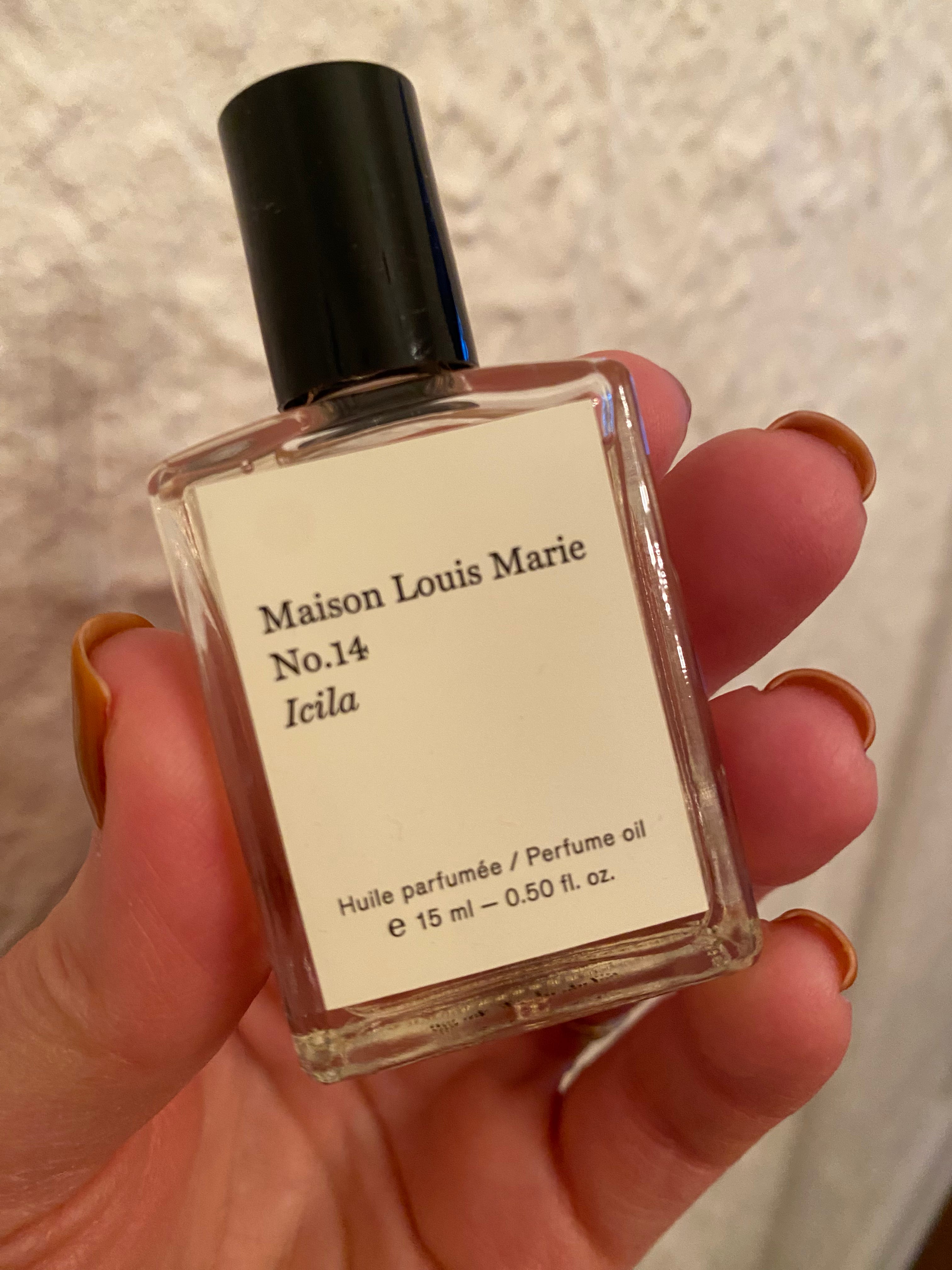
Instinctively, I’ve always preferred natural perfumes and perfume oils. There’s a trade off, of course. Natural perfumes won’t ever carry the sillage of a fancier perfume, nor the complexity. But I’ve learned to enjoy the closeness of a solid perfume-in-oil or the simplicity of notes my nose can actually recognize.
So long as you’re not allergic to a floral ingredient (which can happen, too!), the world of natural fragrances is quickly getting better, and more glamourous. Thoughtful, low-allergen synthetics are growing as well, while perfume oils are a format that simply can’t fly up your nose as easily.
Here, a Valentine’s Day Guide of my faves:
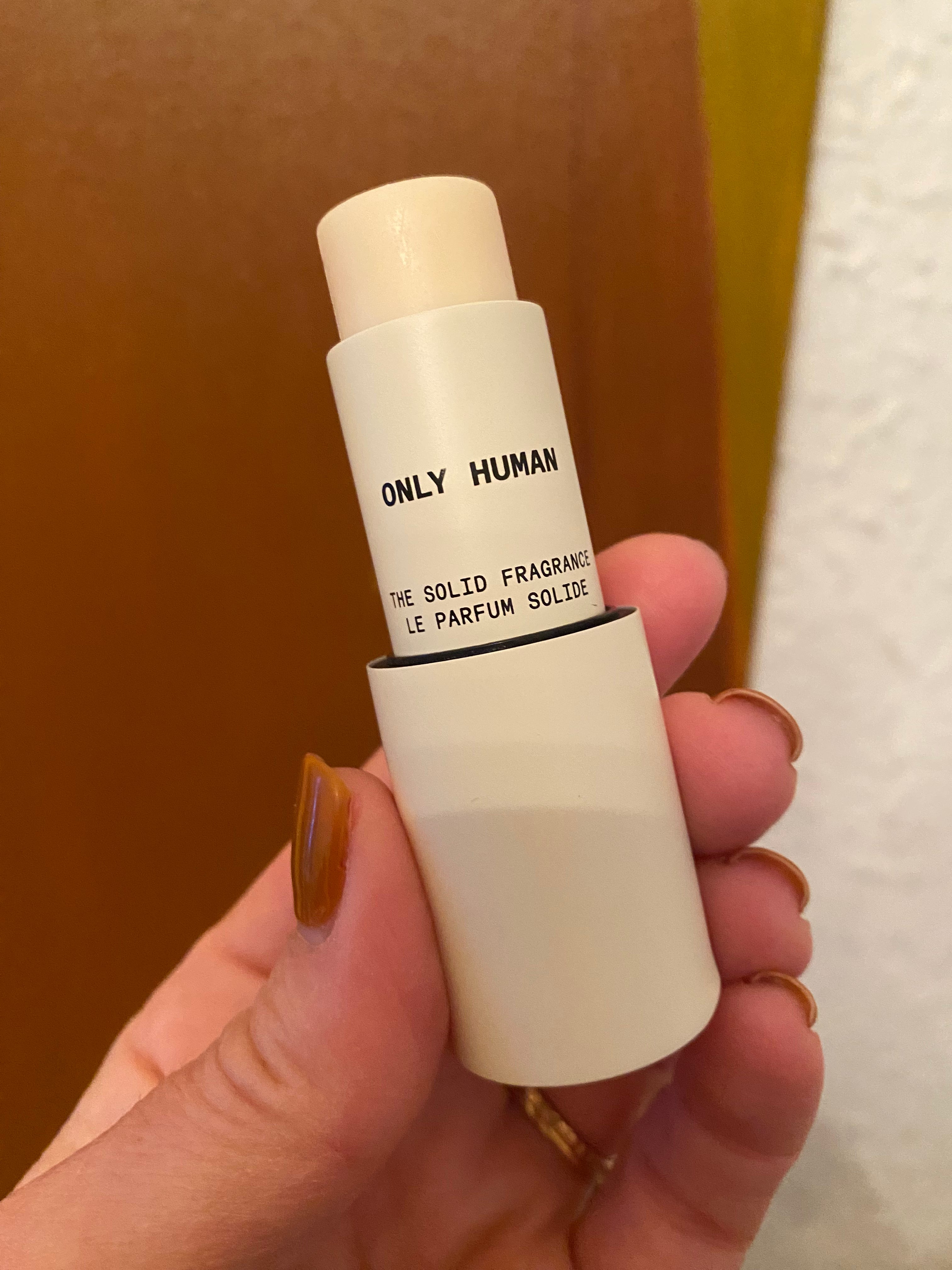
Solid perfumes:
Solid perfumes seem to be having a resurgence (see: Rare Beauty’s new Layering Balms), but I’ve always adored Diptyque’s Eau Rose Solid Perfume in its hefty, luxurious black keepsake case.
A newer discovery for me, Noyz Only Human is a soft, Earl Grey tea-like citrus solid that melts into a “your skin but better” warm scent that I could wear anywhere, any time.
Dior Mini Miss Blooming Bouquet. Have yet to try but this travel-friendly stick format that features Rosa centifolia and lily of the valley in a rose wax base to keep scent personal.
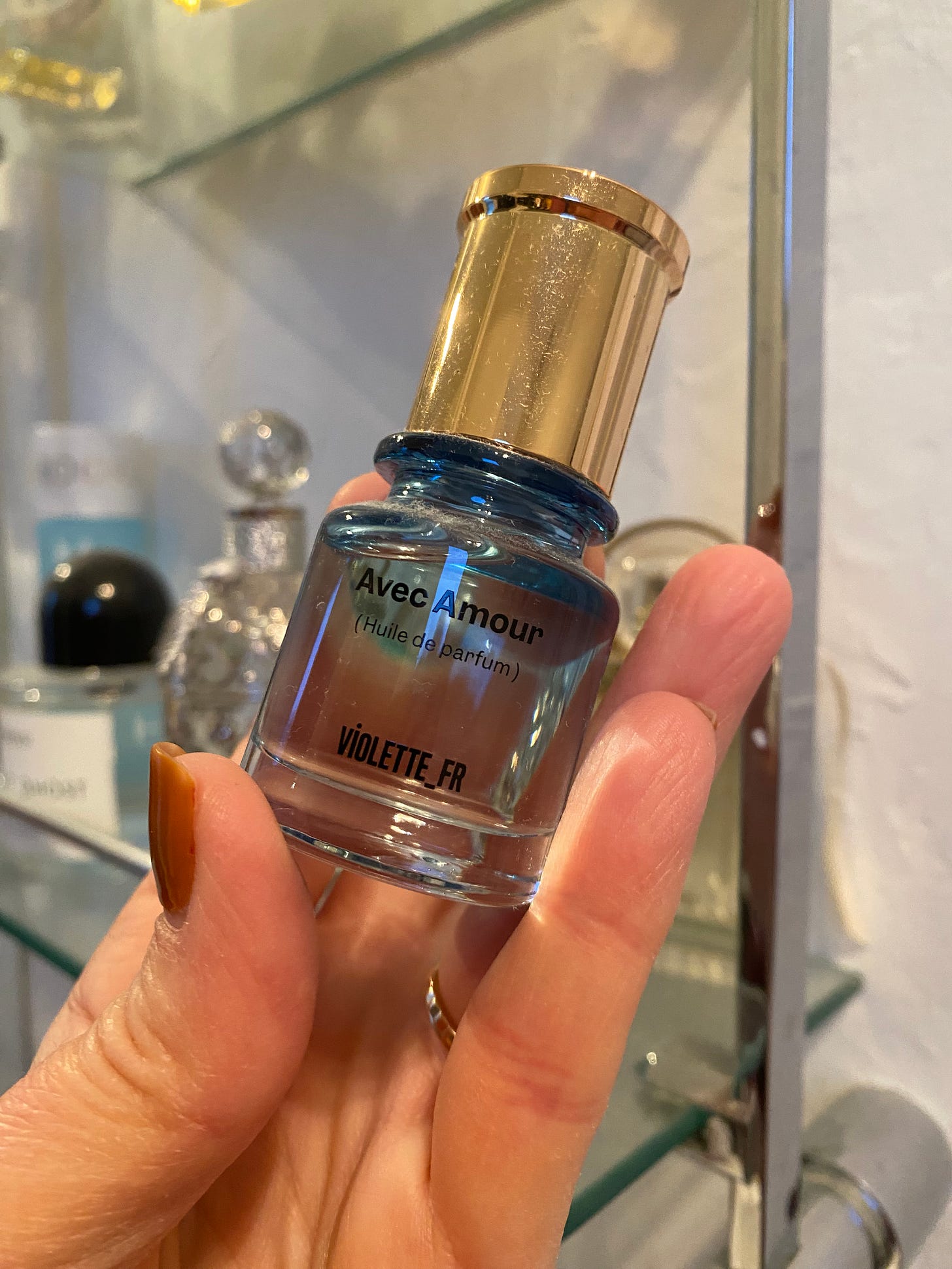
Perfume Oils:
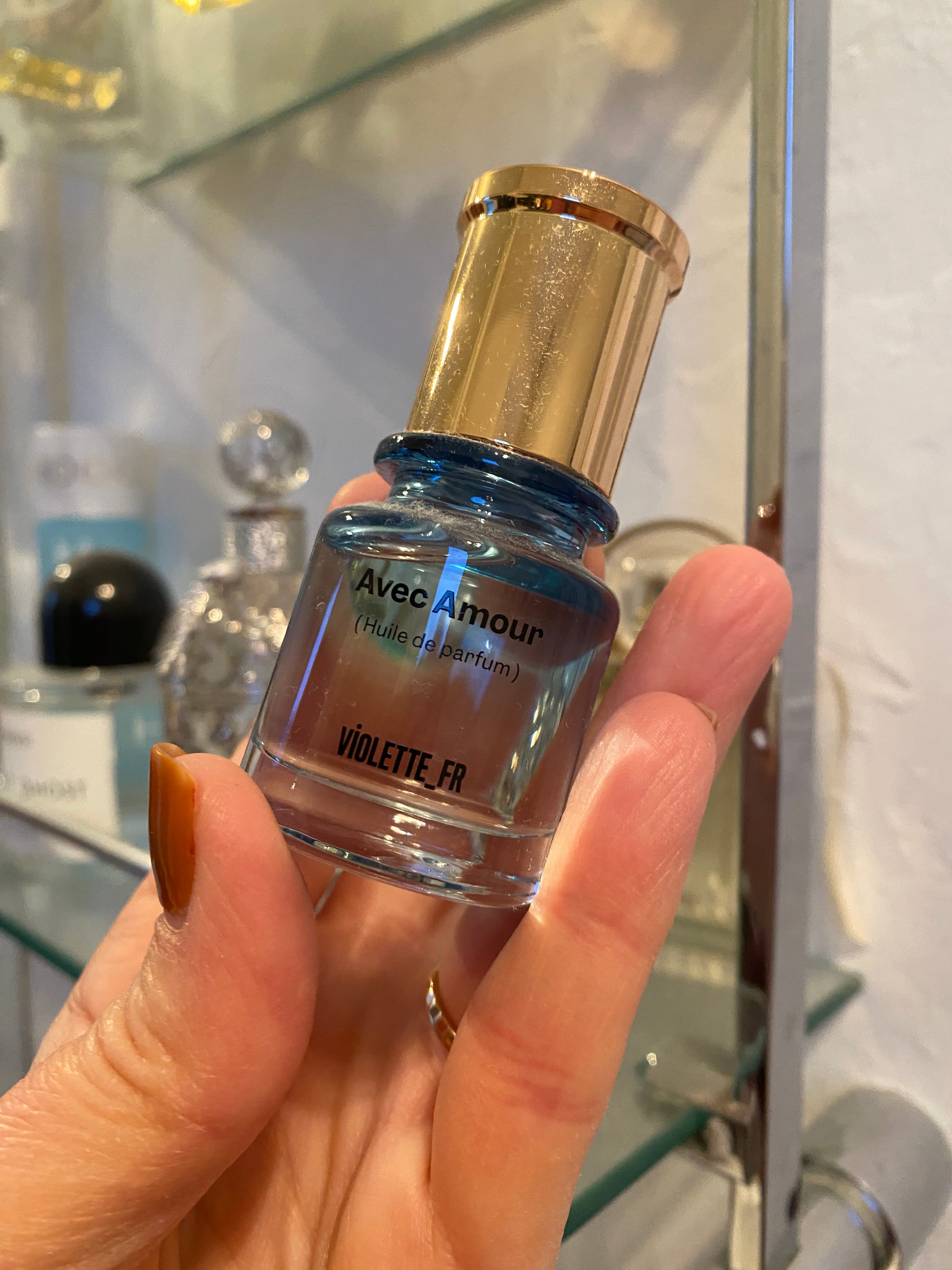
Violette_FR Avec Amour: A concentrated rollerball that’s giving “babied”. Amber, sandalwood, and ylang-ylang leave a sheer, intimate veil.
Maison Louis Marie No.04 Bois de Balincourt: High-end and earthy, love this dry, woody scent when I’m not in the mood for florals.
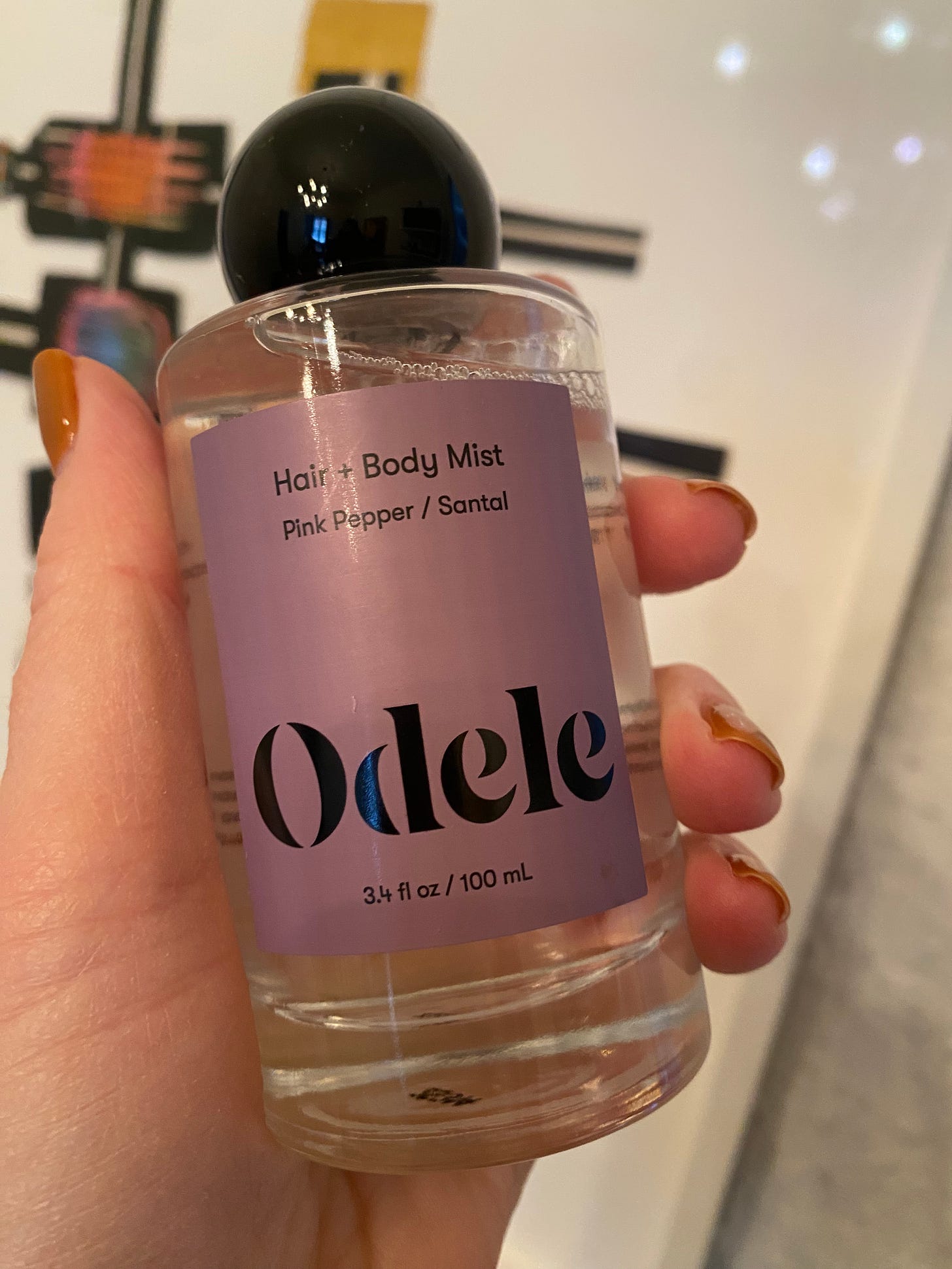
Mists & Colognes:
The most luxurious of options for the scent-sensitive, I’ll never stop praising Les Colognes collection by Hermes, developed with legendary fragrance nose Jean-Claude Ellena. Eau de Pamplemousse Rose has the zingiest twist on the classic rose, perfectly unexpected.
Guerlain Aqua Allegoria: This line by the storied French fragrance house uses up to 95% natural-origin ingredients and organic beetroot alcohol. Mandarine Basilic is a sparkling, citrusy "watercolor" of a scent without the synthetic "cling" of traditional perfume.
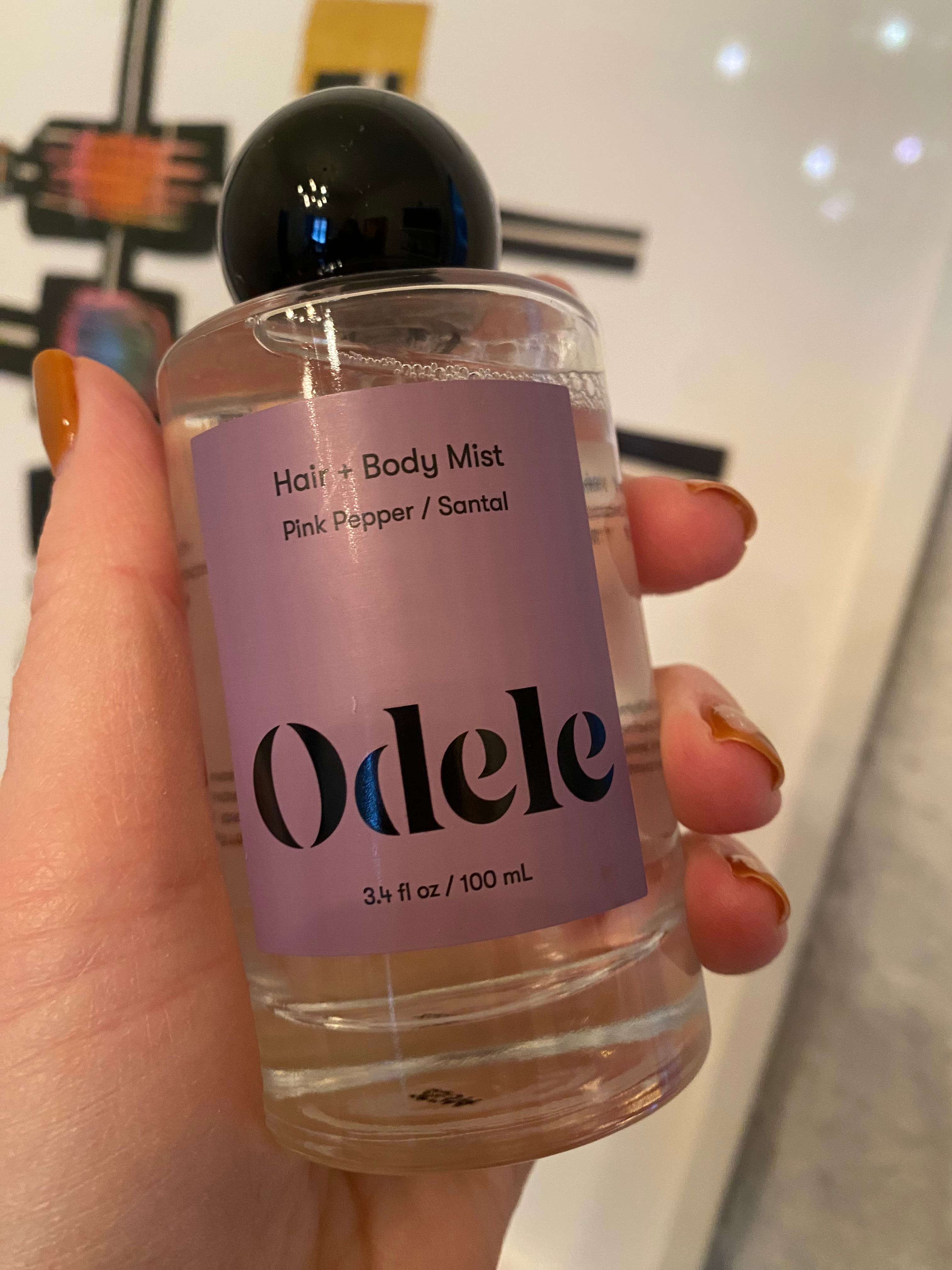
Odele Pink Pepper Santal: A new, affordable Hair & Body Mist ($16.99!). So light and airy, a “mini santal” obsessive could wear it in a crowded classroom without offending a soul.
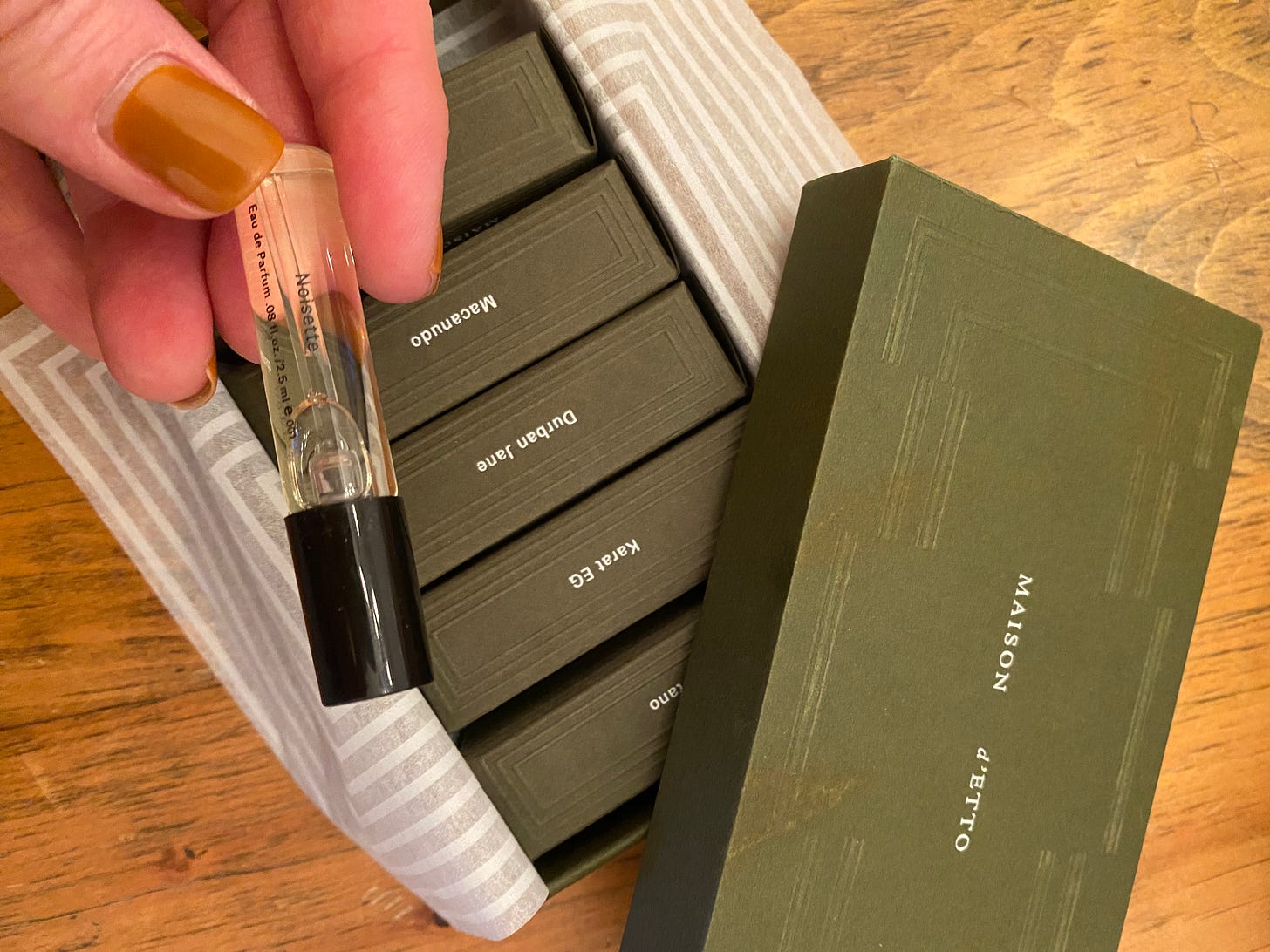
Botanical Musks (Ambrette & Orris vs Cloying Synthetic):
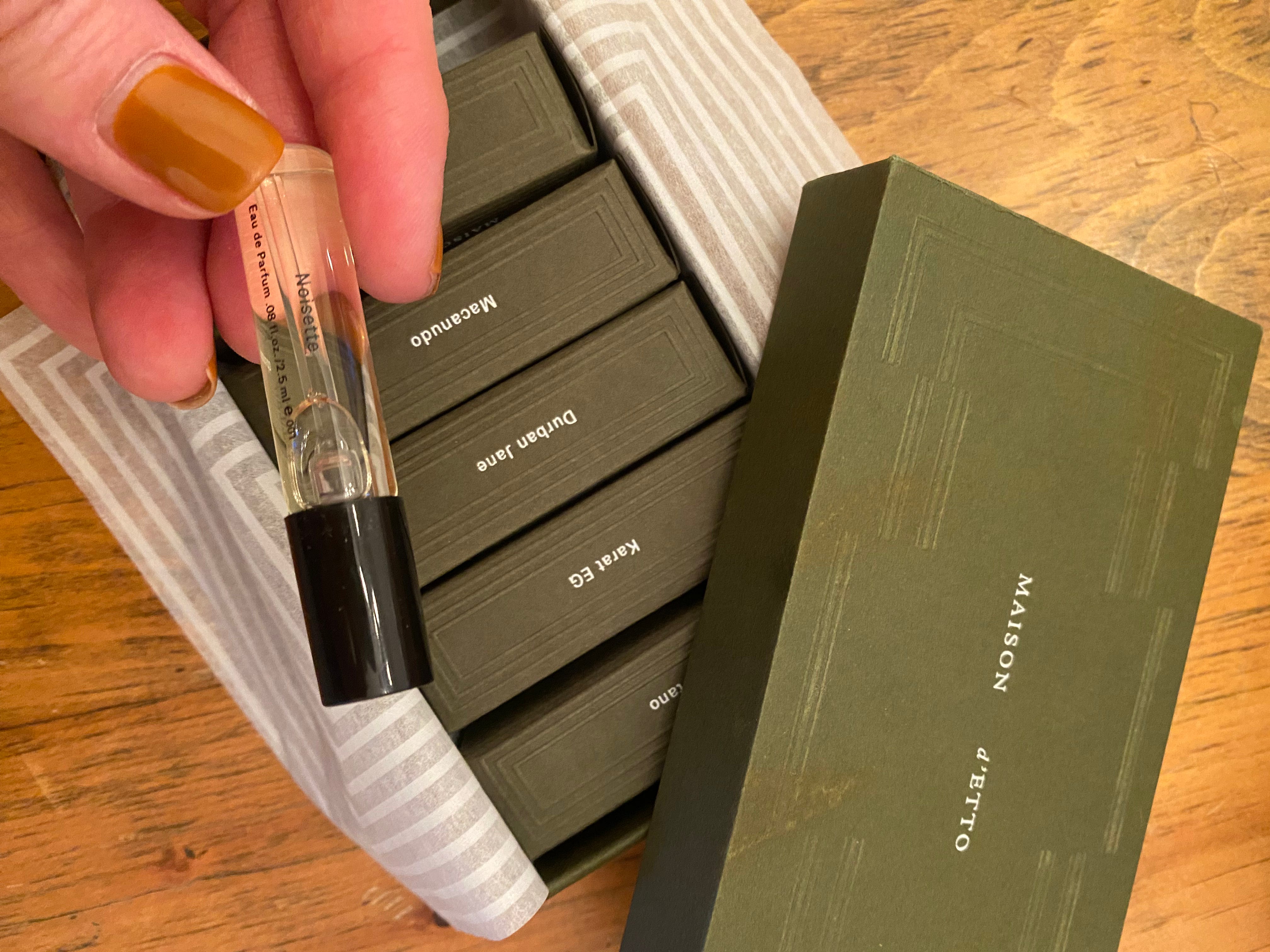
Maison d’Etto Noisette: Too posh to call itself “hypoallergenic,” this chic equestrian scent uses ambrette and orris to achieve a “quiet” longevity that doesn’t feel forced or loud.
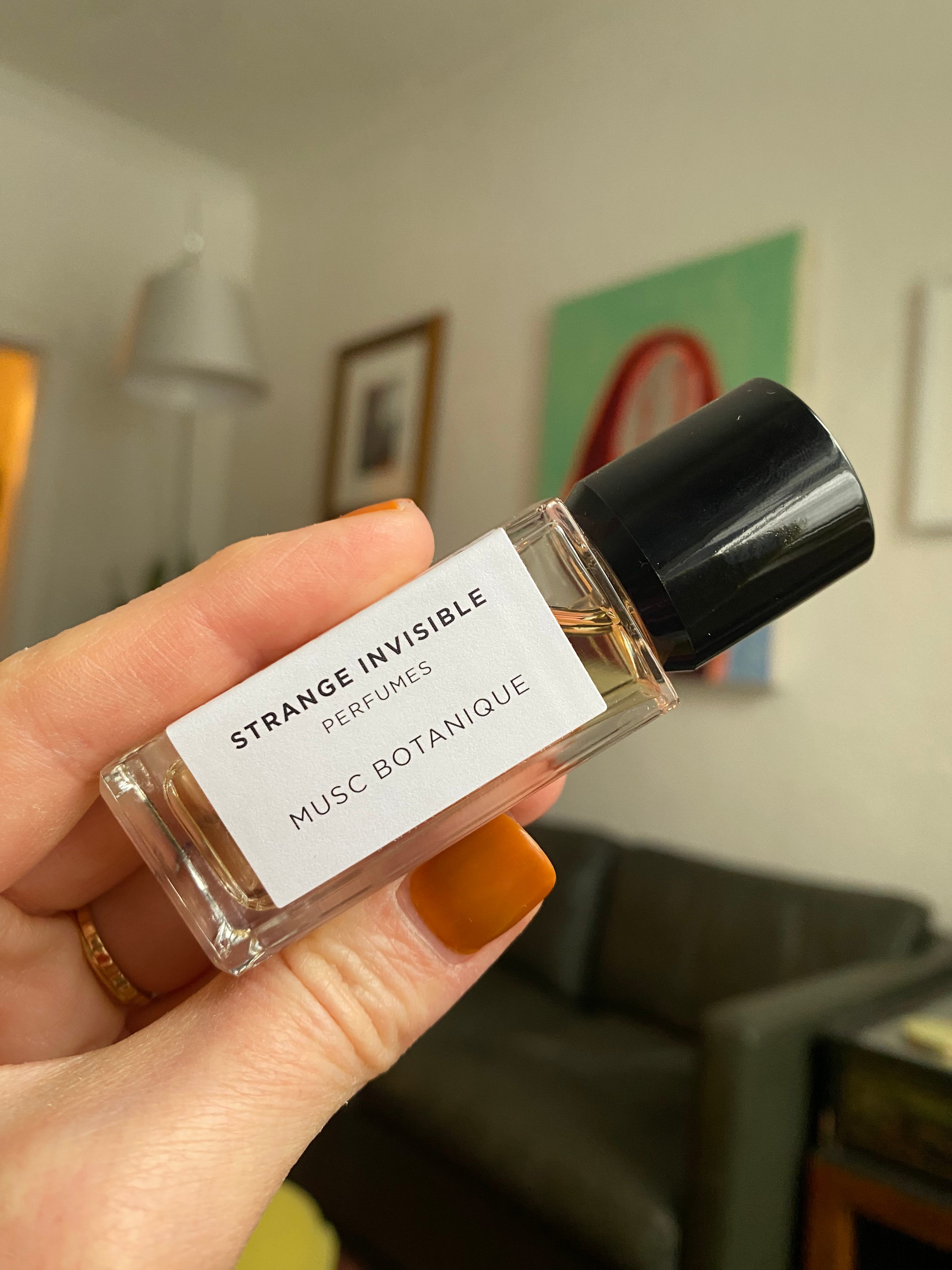
Strange Invisible Perfumes Musc Botanique: A crystalline, botanical musk that feels “vintage” using pre-industrial style distilling that sidesteps common sensitivities. Also the the scent equivalent of a silk slip.
Skin Adapting:
DedCool Xtra Milk: Surprisingly light and huggy, I gifted this “molecular scent” to my daughter for Christmas and she wears it on the regular. The woody musk feels “clean” rather than “sticky”— decadent without the calories.
The 7 Virtues Amber Vanilla. Another second skin hit, this soft and sweet touch of vanilla scent with “ISO E” is a molecular fragrance designed to blend with your skin chemistry. (Hello, Escentric Molecule 01 from the 2000s!!)
Another recent launch, No Fragrance Fragrance by Victoria Jackson, founder of No Makeup Makeup, is an olfactive version of her “clean girl” esthetic for mature types. Possibly another ISO E molecule undercover, it’s designed to flex with your skin’s chemistry to show up floral, musky or fruity, using materials free from the EU’s 26 recognized fragrance allergens.
Low-Allergen Minimalists:
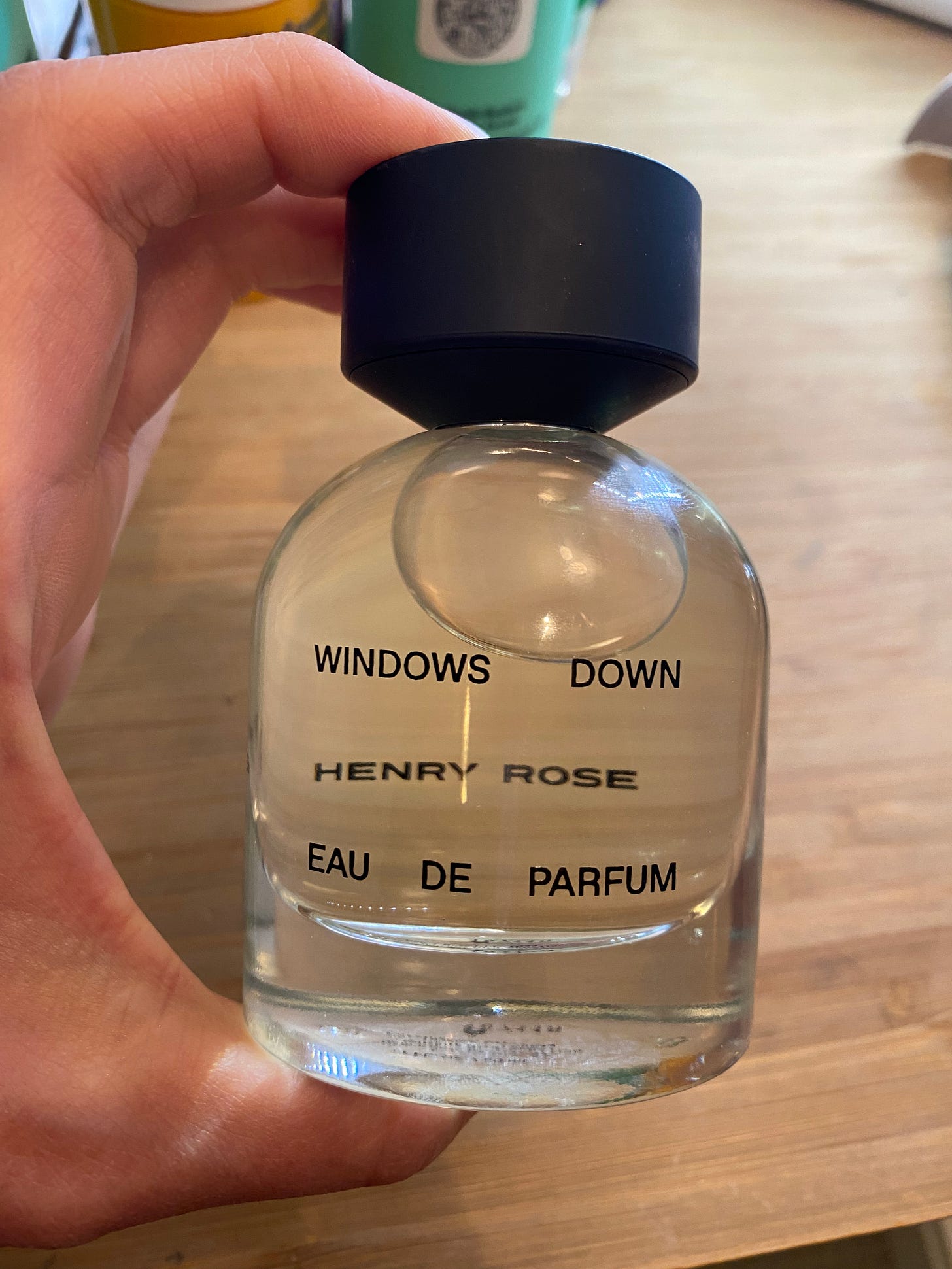
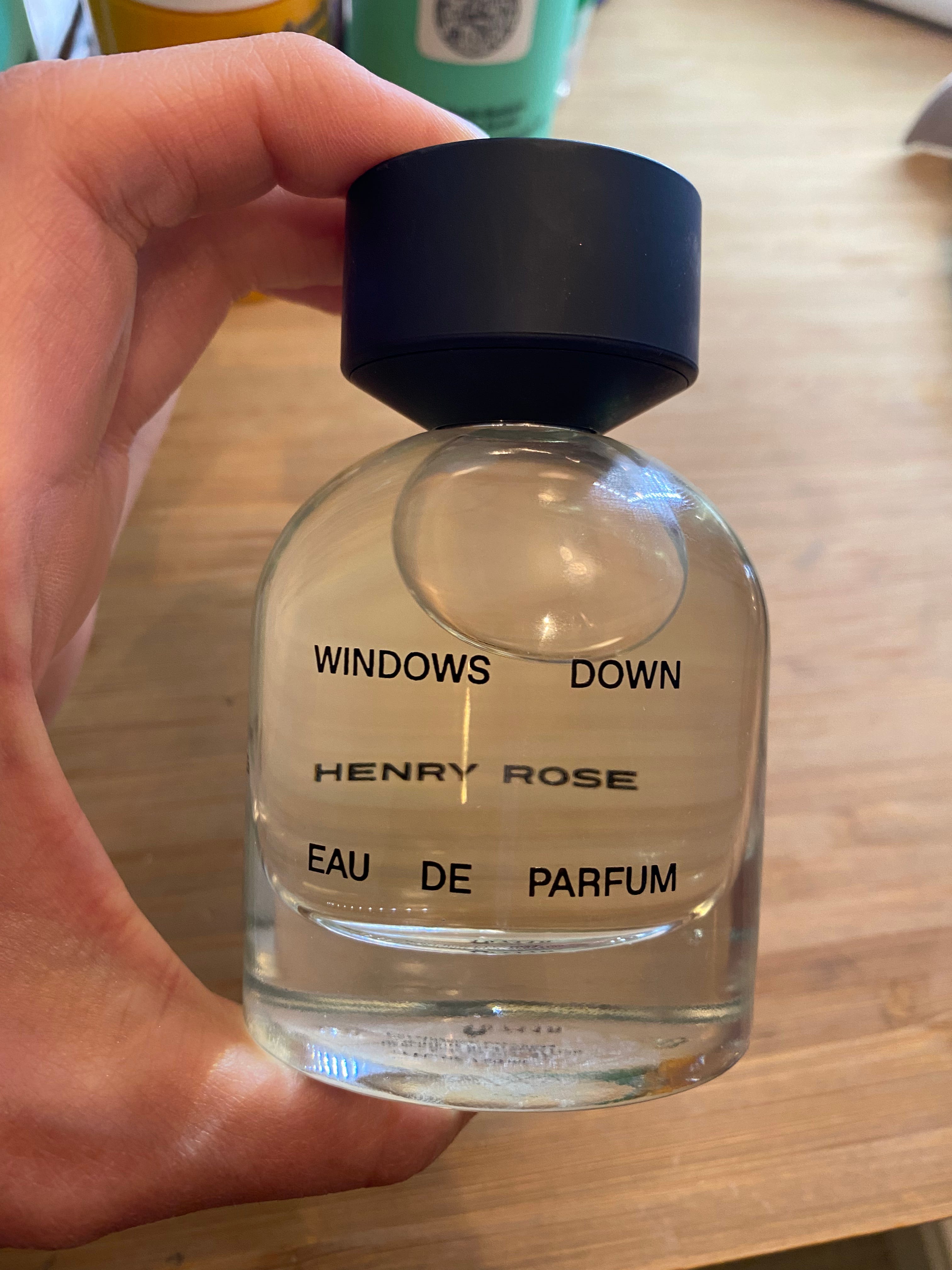
One of the first fine fragrance brands to list all of its ingredients, Henry Rose Windows Down is fresh and carefree with notes of grapefruit, bergamot and earl grey tea. Dermatologist and hypoallergenic tested.
By Rosie Jane (Rosie & Dulce): Specifically designed for the scent-sensitive. Dulce is a light, airy vanilla, while Rosie is a nude, sheer rose that feels like clean skin.
Skylar Vanilla Sky: This one went viral on TikTok thanks to its airy sweet cozy vibes at a friendly price point. Behind the hype the brand avoids 26 common fragrance allergens identified by the EU and all of their blends veer to light, breezy, and sensitive friendly.
One final tip, I always spray the back of my neck, behind my knees and even around my ankles to keep scents from having any nose-smothering effect. xx
Like this list? If so, I’ll round up a list of my fave least cloying candles soon.
Another scent-sitive person here. Funnily enough, the aldehyde famous Chanel no 5 is fine to be around. White flowers? Anywhere near jasmine or gardenia, I have to run away (Michael Kors is a major offender. Luckily you don’t smell it too much lately). Thank you for this post!
I love the hot tip about spraying behind your neck !